
Europe has long been regarded as the cradle of sculptural tradition, from the marble masterpieces of ancient Greece to the bronze works of the Renaissance. Today, European artists, architects, and urban planners are increasingly embracing fiberglass as a contemporary medium that honors this rich heritage while pushing the boundaries of what possible in three-dimensional art. From the historic streets of Paris to the cutting-edge galleries of Berlin, fiberglass sculpture has found its place at the intersection of European tradition and global innovation.
Europe Fiberglass Renaissance
The European approach to fiberglass sculpture is distinctive: it combines the continent deep appreciation for artistic craft with a progressive attitude toward materials and technologies. Where other regions might use fiberglass primarily for commercial or decorative applications, European artists treat it as a serious fine art medium — one that rewards technical mastery and allows for nuanced expression traditionally associated with bronze, stone, or wood.
This artistic seriousness has elevated fiberglass sculpture in Europe to a level rarely seen elsewhere. Major exhibitions at institutions like the Centre Pompidou in Paris, the Serpentine Galleries in London, and the Beyeler Foundation in Basel regularly feature large-scale fiberglass works, confirming the material acceptance within the European fine art establishment.
Public Art and Urban Transformation
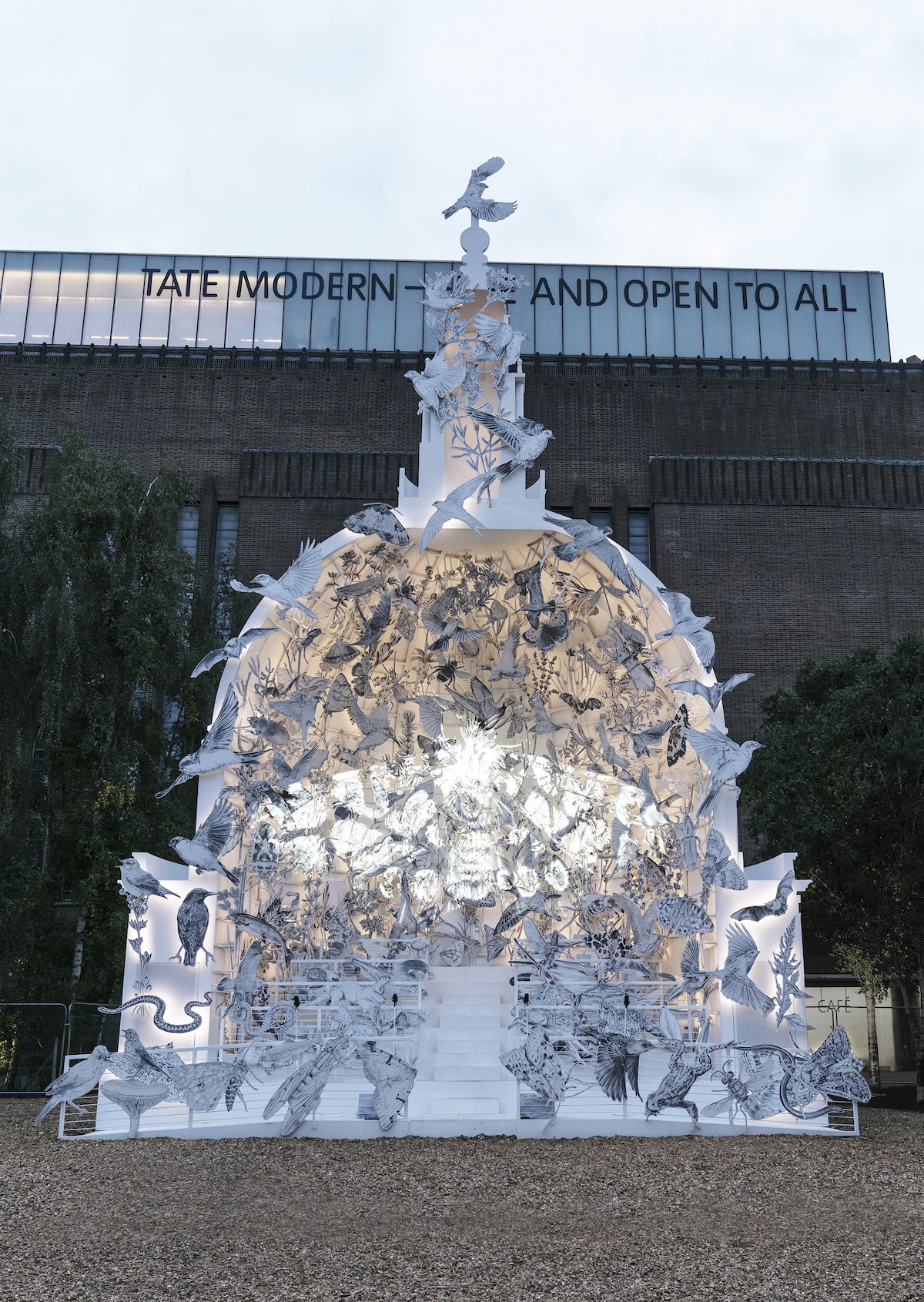
European cities have long understood the power of public art to define civic identity and enhance urban environments. Paris has emerged as a leader in European public fiberglass art, with the city annual public art initiatives including programs associated with Art Basel Paris and the PalaisPopulaire, showcasing fiberglass works that range from monumental abstractions to socially engaged installations addressing environmental themes.
These public sculptures engage millions of viewers who might never visit a formal gallery, making fiberglass art an accessible democratic medium in the European tradition. London urban landscape similarly reflects growing investment in contemporary public sculpture, with fiberglass installations adding visual interest to formerly neglected sites.
The Museum Circuit: Fiberglass in European Institutions
European museums have played a crucial role in establishing fiberglass as a legitimate fine art medium. Major institutions have acquired significant fiberglass works for their permanent collections, lending an air of legitimacy that has encouraged collectors, developers, and municipal authorities to invest in the medium with confidence.
The Heydar Aliyev Center, while located in the Caucasus, has become an important venue for European-curated contemporary sculpture exhibitions featuring fiberglass works. Its organic architectural language provides an ideal context for similarly fluid fiberglass forms, creating synergistic relationships between architecture and sculpture.
Luxury Hospitality: European Elegance Meets Modern Material
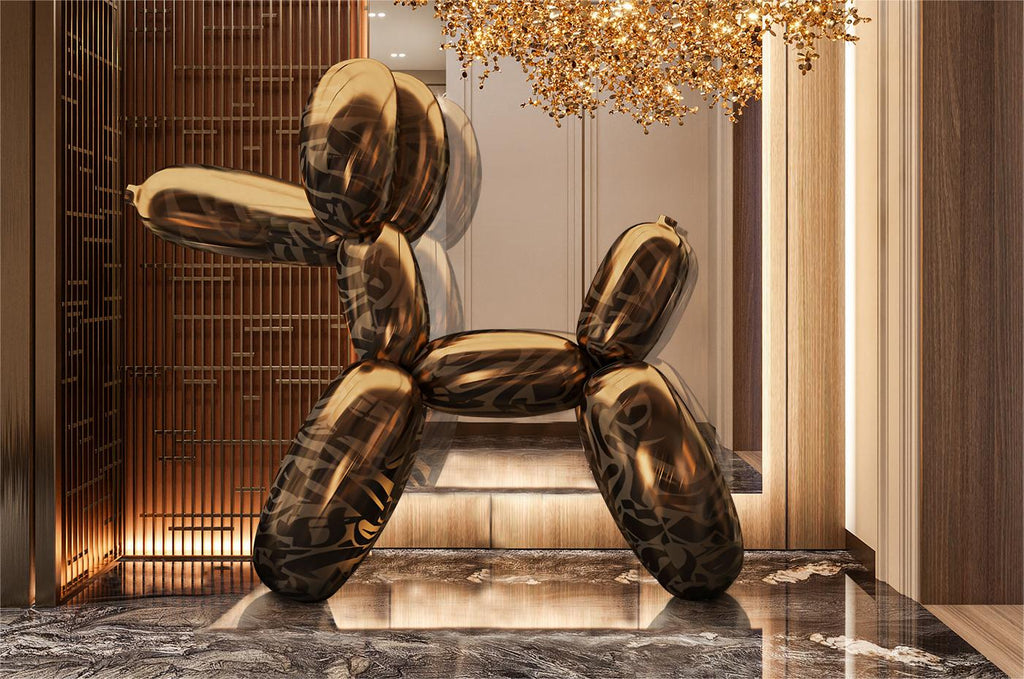
Europe luxury hospitality sector has embraced fiberglass sculpture as a signature element of contemporary resort and hotel design. From the grand hotels of the French Riviera to the boutique properties of Copenhagen, European designers are incorporating fiberglass sculptures that reflect each property unique cultural context while meeting the practical demands of high-traffic commercial environments.
What distinguishes European luxury hospitality fiberglass installations is the sophisticated relationship between sculpture and architecture. Rather than treating sculpture as decorative afterthought, European designers integrate fiberglass works into the architectural language of their properties.
Design Influence and Global Export
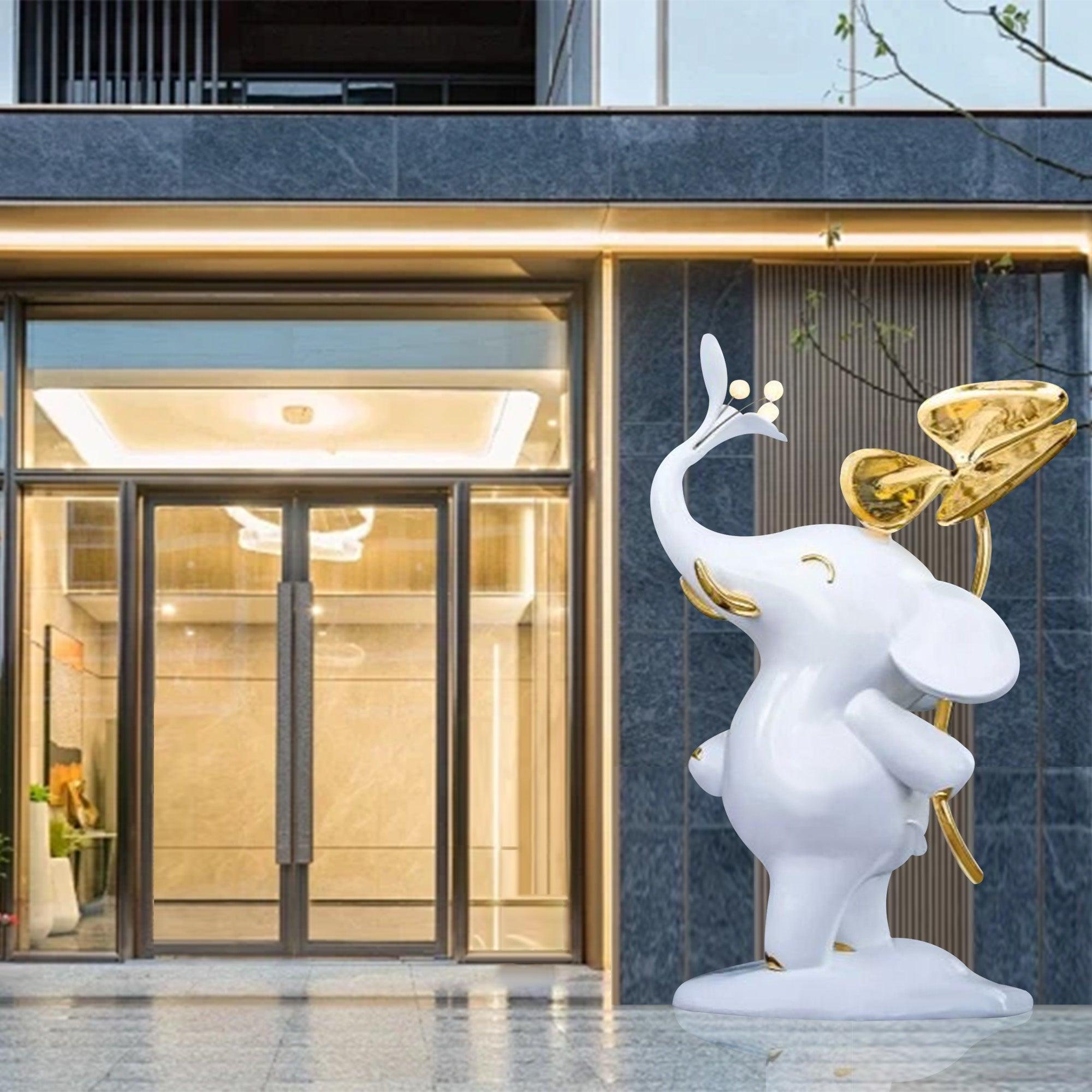
European fiberglass sculpture has achieved significant international influence, with European artists and manufacturers serving as reference points for projects worldwide. The combination of fine art sensibility, technical precision, and premium finish quality has established benchmarks that international clients seek to emulate.
This export of European fiberglass aesthetics extends beyond artworks themselves to include design methodologies, installation techniques, and conservation practices. European institutions and companies have developed best practices for fiberglass sculpture now applied in projects from the Middle East to Southeast Asia.
Specifications for European-Quality Fiberglass Sculpture
For organizations seeking to commission or acquire fiberglass sculptures of European quality: artistic integrity with works created in collaboration with professional artists; material quality using higher-grade resins and gel coats; surface finishing with particular attention to transitions and reverse surfaces; installation engineering with certified structural procedures; and comprehensive documentation including artist certificates and material specifications.
From the galleries of Paris to the public squares of Berlin, European fiberglass sculpture represents a dialogue between heritage and innovation that has positioned the continent at the forefront of global sculptural practice. In a region where artistic tradition runs deep, fiberglass has proven itself not as a departure from that tradition, but as its natural evolution.