
Saudi Arabia is undergoing one of the most ambitious cultural transformations in the modern world, and at the heart of this artistic revolution lies fiberglass sculpture. As the Kingdom advances under Vision 2030, cities across Saudi Arabia — from Riyadh to Jeddah to the ancient region of AlUla — are embracing large-scale fiberglass art installations that blend contemporary design with the rich visual heritage of the Arabian Peninsula.
Vision 2030 and the Rise of Public Art
The Saudi Vision 2030 initiative has catalyzed an unprecedented investment in culture, entertainment, and public spaces. Central to this transformation is a commitment to world-class public art, with fiberglass emerging as the preferred medium for monumental installations due to its remarkable durability against Saudi Arabia’s extreme climate — from the scorching heat of the Empty Quarter to the coastal humidity of the Red Sea coast.
Fiberglass sculptures in Saudi Arabia serve multiple strategic purposes: they beautify urban environments, attract tourism, signal modernity, and create memorable landmarks that define the Kingdom’s new cultural identity. The material’s versatility allows artists to realize ambitious designs — from massive abstract forms that seem to defy physics to hyper-realistic installations that celebrate Saudi heritage and natural beauty.
Riyadh’s Urban Art Renaissance
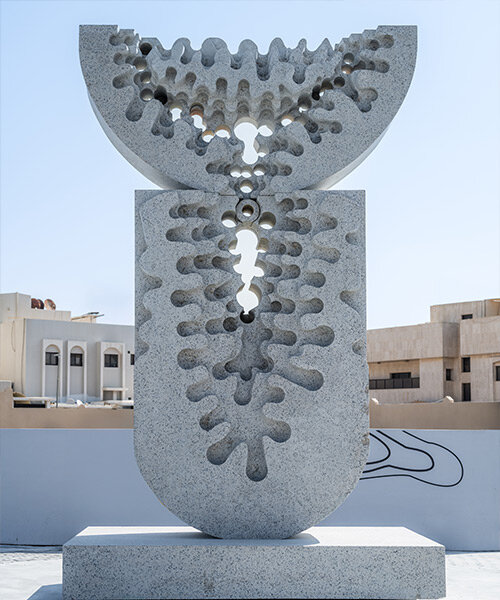
Riyadh, the Kingdom’s capital, has become the epicenter of Saudi Arabia’s fiberglass art explosion. The Tuwaiq Sculpture Exhibition has positioned the city as a premier destination for international sculpture, attracting acclaimed artists from around the globe. These installations, many crafted from fiberglass to withstand the desert environment, transform Riyadh’s urban landscape into an open-air gallery that engages both residents and visitors.
Large-scale fiberglass works along major thoroughfares and in public squares create visual landmarks that reinforce Riyadh’s emergence as a global city. The combination of cutting-edge design and resilient materials has made fiberglass the medium of choice for municipal art programs seeking works that maintain their beauty despite extreme temperature fluctuations and sand exposure.
Jeddah: The Bride of the Red Sea
Jeddah has long been known as Saudi Arabia’s cultural capital, and its Jeddah Sculpture Museum represents one of the most ambitious public art initiatives in the Middle East. The city’s waterfront and public spaces feature fiberglass sculptures that reflect Jeddah’s maritime heritage, its cosmopolitan identity, and its aspirations for the future. The Red Sea’s proximity has also inspired sculptures that evoke ocean life, coral formations, and the dynamic movement of water — all rendered in fiberglass’s durable, weather-resistant medium.
Luxury Hospitality: Where Art Meets Architecture
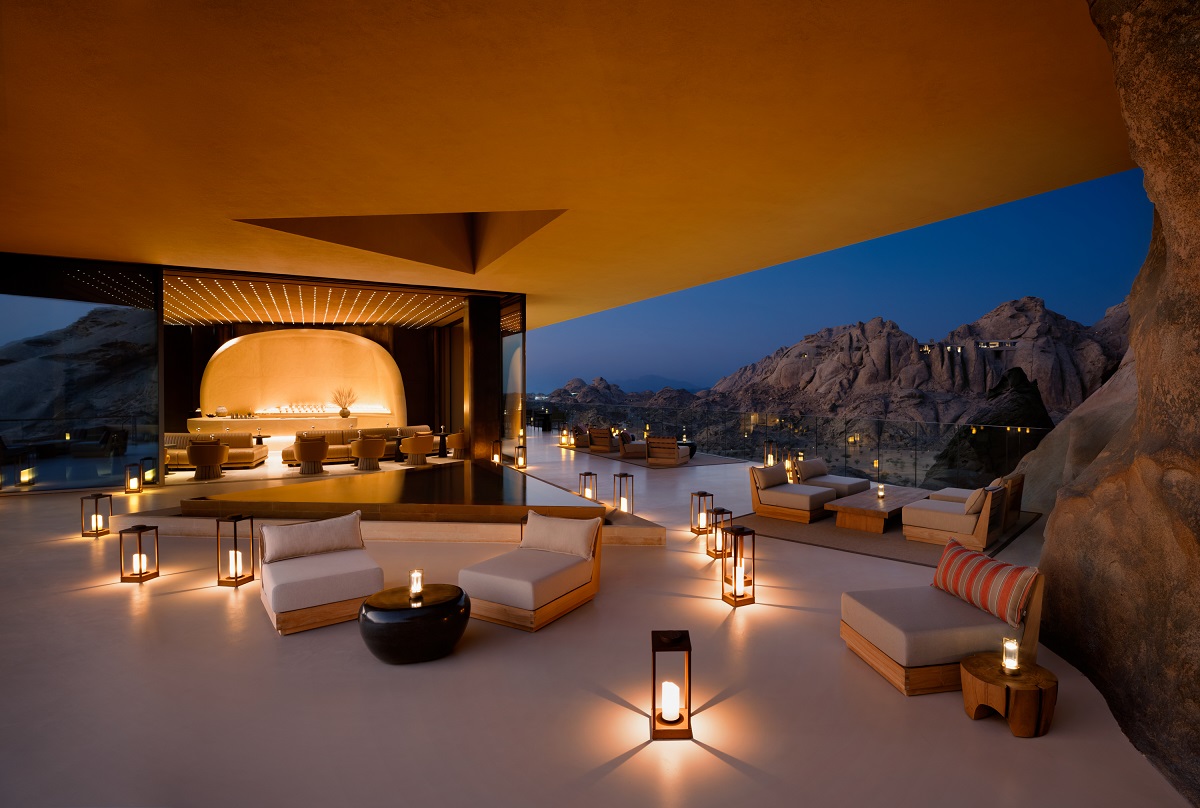
Saudi Arabia’s ultra-luxury hospitality sector has adopted fiberglass sculpture as a signature element of world-class resort design. Properties such as the Shebara Resort and Desert Rock — carved into Saudi Arabia’s historic mountains — showcase how fiberglass installations can create transcendent visual experiences that blend seamlessly with the dramatic natural landscape.
These resorts feature custom-designed fiberglass sculptures that serve as focal points in lobbies, outdoor terraces, and public areas. The material’s ability to achieve mirror-like metallic finishes makes it ideal for the aesthetic ambitions of Saudi Arabia’s new generation of luxury properties, where every element must project opulence and innovation.
AlUla and the Ancient Land
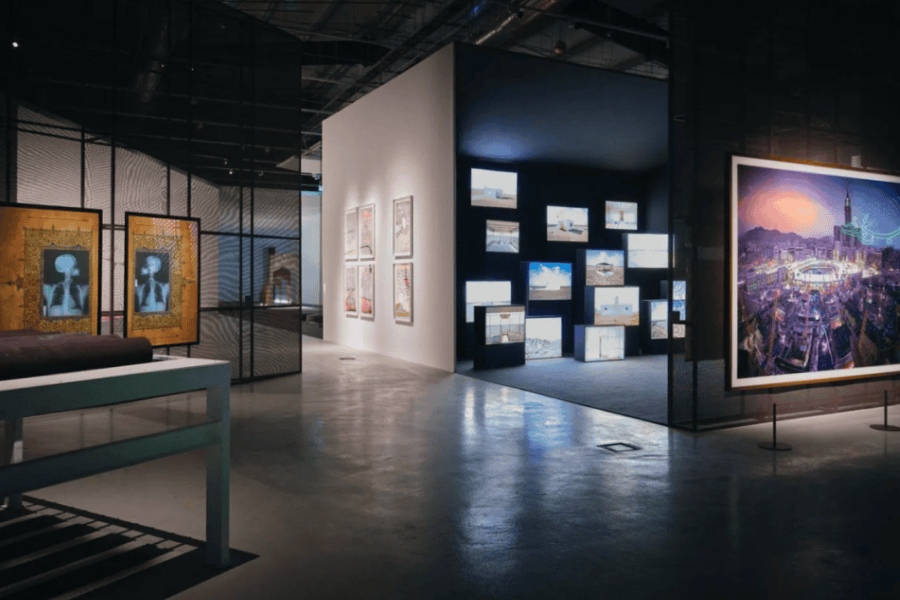
The ancient region of AlUla has emerged as a global destination for contemporary art, with the AlUla Contemporary Art Museum showcasing works that dialogue with the dramatic natural landscape of sandstone mountains and ancient Nabatean heritage. Fiberglass sculptures in AlUla are carefully designed to complement the region’s unique aesthetic — using earth tones, organic forms, and desert-inspired textures that harmonize with the surrounding environment.
The fusion of ancient heritage with contemporary sculptural practice has made AlUla a unique destination where fiberglass installations honor the past while embracing the future of Saudi Arabia’s artistic identity.
Sourcing Premium Fiberglass Sculptures for Saudi Projects
For developers, municipalities, and hospitality brands seeking fiberglass sculptures for Saudi Arabian projects, several critical factors determine success:
- Heat and UV Resistance: Saudi Arabia’s intense sunlight requires UV-stable gel coats and marine-grade resins that maintain color integrity and surface quality over decades.
- Sand and Dust Protection: Sculptures must be designed with smooth, non-porous surfaces that resist sand accumulation and are easy to maintain in desert environments.
- Custom Arabic-Inspired Design: Many Saudi projects require bespoke designs that incorporate Arabic geometric patterns, calligraphic elements, or culturally significant motifs.
- Seismic and Structural Engineering: Large-scale installations require certified structural engineering for wind load resistance and seismic safety compliance.
- Red Sea Salt Air Corrosion Resistance: For installations in Jeddah and coastal areas, corrosion-resistant specifications are essential for longevity.
As Saudi Arabia continues its extraordinary cultural transformation, fiberglass sculpture stands as both a symbol and a tool of this ambition — durable enough for the desert, bold enough for a nation reimagining itself, and versatile enough to give artists the freedom to realize visions that would otherwise be impossible.
From the skylines of Riyadh to the ancient valleys of AlUla, fiberglass sculpture is becoming as synonymous with Saudi Arabia’s new era as the desert landscapes that surround these extraordinary works.