
Argentina, a country renowned for its rich artistic heritage and bold architectural statements, has increasingly embraced fiberglass sculpture as a medium for public art, hotel décor, and urban beautification projects. From the iconic steel petals of Buenos Aires to the colorful contemporary installations dotting its cultural districts, fiberglass has emerged as the material of choice for artists and designers seeking durability, versatility, and visual impact.
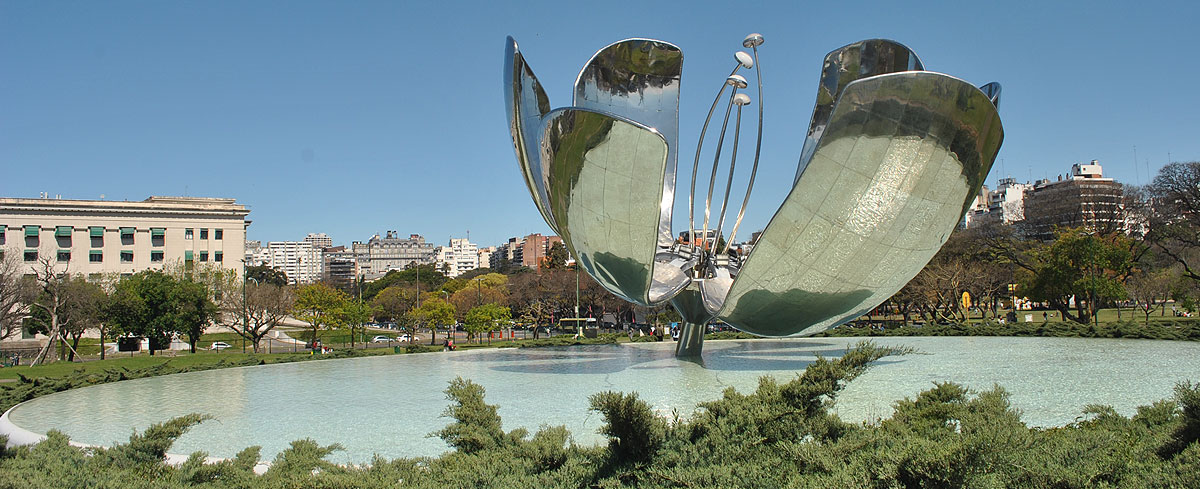
The Rise of Fiberglass Art in Argentina
Fiberglass Reinforced Polymer (FRP) has transformed the way Argentine artists and architects approach large-scale sculptural installations. Unlike traditional materials such as bronze or stone, fiberglass offers exceptional weather resistance — critical for Argentina’s diverse climates, from the humid Pampas to the arid Patagonian winds. Its lightweight nature allows for ambitious designs that would be structurally impossible with heavier media, while its capacity for intricate detailing makes it ideal for replicating organic forms with museum-quality precision.
Argentine designers have leveraged fiberglass to create everything from monumental flower-shaped landmarks to whimsical animal installations in shopping districts and hotel atriums. The material’s smooth finish accepts paint, metallic coatings, and textured surfaces equally well, enabling artists to achieve looks ranging from classical marble to ultra-modern chrome.
Buenos Aires: A City Transformed by Public Sculpture
Buenos Aires stands at the forefront of Argentina’s fiberglass art revolution. The city’s commitment to public art has resulted in an impressive array of large-scale fiberglass installations that have become beloved landmarks and Instagram destinations. These works blend international design trends with distinctly Argentine cultural references — from gaucho traditions to tango rhythms — creating pieces that resonate with locals and visitors alike.
Neighborhoods like Palermo, Recoleta, and Puerto Madero have become open-air galleries, featuring rotating installations that range from playful oversized objects to deeply symbolic contemporary works. Fiberglass sculptures in these areas serve multiple purposes: aesthetic enhancement, cultural expression, and economic catalysts that draw tourism and foot traffic to commercial districts.
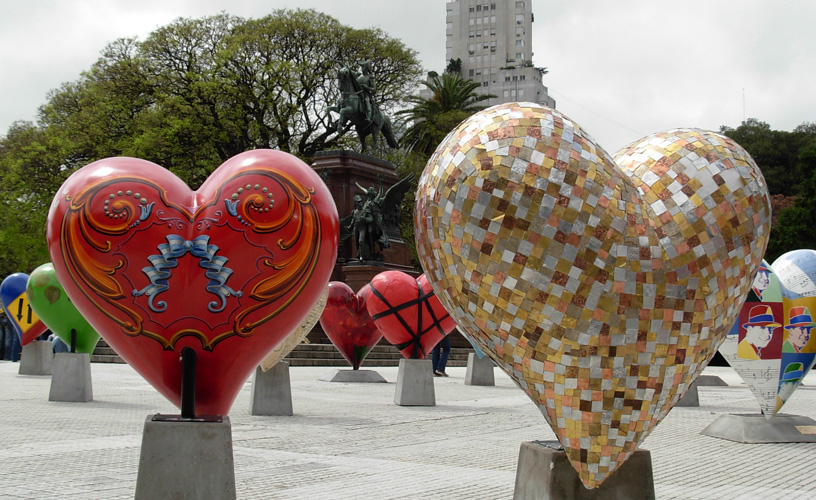
Luxury Hospitality: Hotels Embrace Fiberglass Art
Argentina’s luxury hotel sector has fully embraced fiberglass sculpture as a hallmark of sophisticated interior and exterior design. From boutique art hotels in San Telmo to five-star resorts in Mendoza’s wine country, fiberglass installations have become key differentiators in a competitive hospitality market.
These hotels use custom-designed fiberglass sculptures to create memorable guest experiences: grand lobby installations that spark conversation, garden sculptures that transform outdoor spaces into art galleries, and themed decorative pieces that reinforce brand identity. The material’s durability ensures these investments remain pristine despite high guest traffic and environmental exposure.
Art-focused properties like the Cassa Lepage Art Hotel in Buenos Aires have built their brand identity around curated collections of contemporary sculpture, with fiberglass works serving as centrepieces in guest rooms, suites, and public areas. Such approaches align perfectly with the growing global trend of hotels positioning themselves as cultural destinations rather than mere accommodation providers.
Sourcing Premium Fiberglass Sculptures for Argentine Projects
For Argentine businesses, architects, and event planners seeking high-quality fiberglass sculptures, international manufacturers offer extensive catalogs of in-stock designs alongside full custom fabrication capabilities. When sourcing sculptures for the Argentine market, buyers should consider:
- UV Resistance: Argentina receives intense sunlight year-round; sculptures must feature UV-stable gel coats and finishes to prevent fading and chalking.
- Cold Weather Performance: Southern Argentina experiences freezing temperatures; marine-grade resins ensure freeze-thaw cycle resistance.
- Custom Design Capabilities: Many projects require bespoke shapes, colors, or themes reflecting Argentine cultural elements.
- Fire Retardancy: For indoor hotel installations, fire-rated fiberglass specifications may be required by local building codes.
Leading global suppliers provide comprehensive technical specifications, installation engineering support, and export documentation services that streamline the procurement process for Argentine importers and project managers.
Export Market Opportunities
Argentina’s thriving fiberglass art scene also presents export opportunities. Argentine designers and manufacturers are increasingly producing custom sculptures for international projects, leveraging the country’s strong craft traditions and competitive manufacturing costs. The intersection of European-influenced artistry and efficient production has positioned Argentine fiberglass workshops as attractive partners for global hospitality chains and public art developers.
From the steel towers of Recoleta to the boutique corridors of Palermo Soho, fiberglass sculpture continues to reshape Argentina’s visual landscape. As architects, hoteliers, and city planners seek durable yet visually striking solutions for public and commercial spaces, fiberglass stands ready to meet the challenge — bringing Argentine creative vision to life, one sculpture at a time.