
tolili.com — April 1, 2026
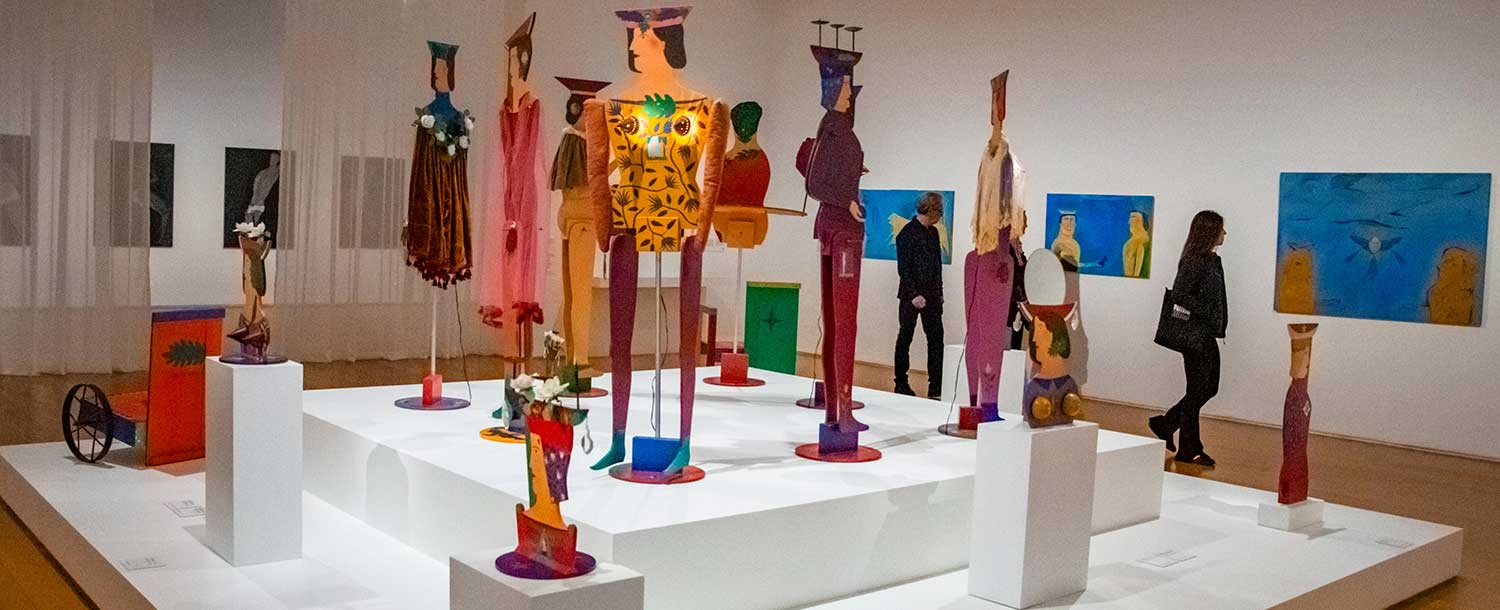
Table of Contents
- The Acquisition
- Sculptors and Works Added
- A Major Museum Expansion
- What This Means for the Art Market
- Sources
The Acquisition
The Museo de Arte Latinoamericano de Buenos Aires (MALBA) announced on December 15, 2025, that its founder Eduardo F. Costantini had acquired the Daros Latinamerica Collection — one of Europe’s most significant private holdings of modern and contemporary Latin American art — adding 1,233 works by 117 artists to the museum’s permanent collection. The acquisition nearly doubles MALBA’s total holdings to approximately 3,000 works, making it one of the world’s largest and most comprehensive repositories of Latin American art. Founded in Zurich in 2000 by Swiss collectors Ruth and Stephan Schmidheiny, the Daros collection had been housed in Switzerland for over two decades before returning to the region. The acquisition, described by Costantini as “a dream come true,” was announced ahead of MALBA’s 25th anniversary in September 2026.
Sculptors and Works Added
The collection spans primarily works created between the 1950s and 2010s, covering painting, sculpture, photography, video, and large-scale installation art. Among the most significant sculptors entering MALBA’s holdings for the first time is Colombian artist Doris Salcedo, whose emblematic large-scale installations from the 1990s and early 2000s are widely regarded as defining works of contemporary Latin American sculpture. Also new to the collection are the sculptural practices of Brazilian artist Lygia Clark, whose interactive and participatory sculptures redefined the boundaries of the medium in the mid-20th century. Further sculptural depth comes from works by Jesús Rafael Soto, Cildo Meireles, Julio Le Parc, and Víctor Grippo — artists whose practices bridge geometric abstraction, conceptual art, and monumental installation.
The acquisition also brings 75 artists to MALBA for the first time, representing countries including Costa Rica, Honduras, Jamaica, Panama, and the Dominican Republic, substantially broadening the geographic reach of the collection. MALBA’s artistic director Rodrigo Moura stated that the acquisition “repositions MALBA as the leading contemporary art collection on the continent.”
A Major Museum Expansion
Alongside the collection acquisition, MALBA revealed plans for a major physical expansion: an underground extension beneath the adjacent Plaza Perú in the Palermo neighborhood of Buenos Aires, adding approximately 4,000 square metres of new gallery space. The expansion — estimated to cost approximately US$20 million and set to begin construction in autumn 2026 — will nearly double the museum’s current exhibition footprint to approximately 8,000 square metres. A new programme dedicated to design and textile art will accompany the new galleries. MALBA currently receives approximately 750,000 visitors annually across its Palermo headquarters and its satellite venue, Malba Puertos, which opened in the Escobar district north of Buenos Aires in 2024.
What This Means for the Art Market
The MALBA acquisition signals renewed institutional confidence in the Latin American art market, building on a year in which Frida Kahlo’s Diego y yo sold for a record US$54.66 million. For the sculpture sector specifically, the inclusion of Salcedo, Clark, and other materially driven artists in one of the region’s most-visited cultural institutions is expected to refocus international attention on Latin American sculptors working in bronze, steel, composite, and mixed media. MALBA’s expansion plan — to double its physical footprint with an underground extension — also signals a long-term institutional commitment that will create new commissioning opportunities for large-format sculptural works in Buenos Aires.