
tolili.com — April 2, 2026
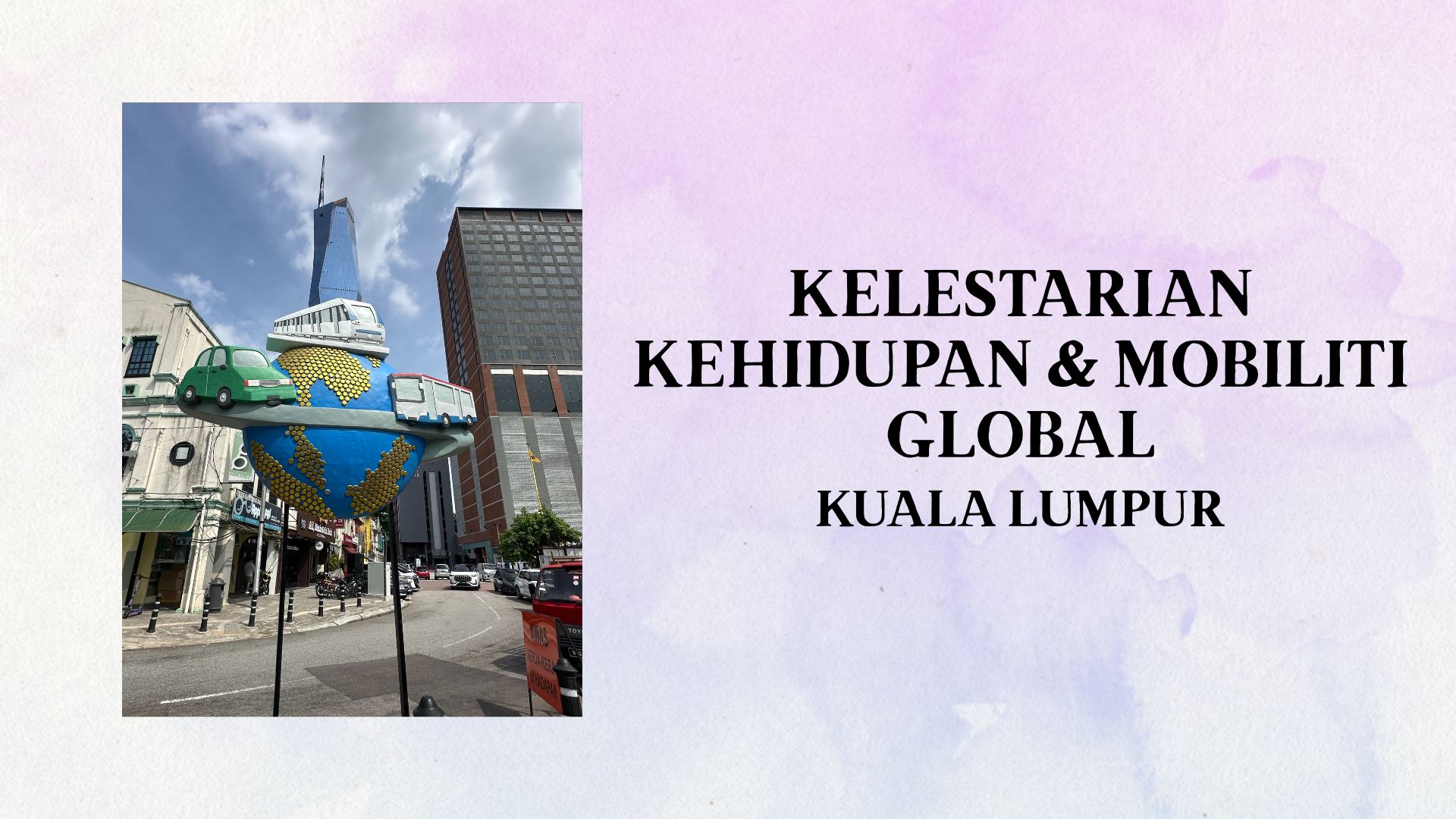
Table of Contents
- A Record-Breaking Sculpture Initiative
- Scale and Scope: 45 Sculptures Across 8 States
- Materials and Design
- What This Means for the Fiberglass Sculpture Industry
- Sources
A Record-Breaking Sculpture Initiative
Malaysia has become the first country in ASEAN and Asia to receive dual recognition from both ASEAN Records and ASIA Records for a nationwide recycled sculpture initiative, it was announced on April 1, 2026. The record title — “Largest Single-Programme Multi-State Outdoor Recycled Sculpture Installation by a Government Agency” — was awarded to the Solid Waste and Public Cleansing Management Corporation (SWCorp) for its “One Sculpture, One Office” programme, which was launched across multiple Malaysian states in June 2025. According to Gillian Ooi, managing director of ASEAN Records and ASIA Records, no other country in ASEAN or Asia has previously implemented a similar nationwide, government-led effort combining public art, sustainability, and tourism on this scale.
Scale and Scope: 45 Sculptures Across 8 States
The programme installed 45 large-format outdoor sculptures across eight Malaysian states — Johor, Pahang, Negeri Sembilan, Melaka, Kedah, Selangor, and Kuala Lumpur — within a six-month window. Each sculpture was designed and fabricated using between 60% and 100% recycled materials, exceeding the 50% minimum threshold set for the award. The initiative was coordinated by SWCorp chief executive Khalid Mohamed and positioned as a “waste-to-art” strategy to beautify public spaces, reduce reliance on landfills, and shift public perception of solid waste as having no value. The sculptures were installed in both urban centres and tourist destinations, serving as environmental education tools as well as public art landmarks.
Materials and Design
While the sculptures primarily used post-consumer recyclables such as metal, plastics, and composite materials, the project echoes the same material priorities that drive the commercial fiberglass sculpture industry: weather resistance, structural durability, lightweight handling, and long-term outdoor performance. The award criteria — requiring at least 50% recycled content — pushed designers toward hybrid construction approaches combining recycled metal frames with polymer-based surface shells, a technique increasingly adopted in commercial fiberglass and GRP sculpture production to balance structural strength with design flexibility. The success of the programme is expected to inform future Malaysian government procurement guidelines for public art installations.
What This Means for the Fiberglass Sculpture Industry
The Malaysian government’s willingness to invest in large-scale outdoor sculptural installations signals a growing appetite across Southeast Asia for public art as a tool of urban beautification, environmental messaging, and tourism promotion. For manufacturers of fiberglass and glass-reinforced plastic (GRP) sculptures, the trend points to a clear opportunity: hybrid-material approaches that combine structural recycled cores with durable fiberglass outer shells are emerging as a practical standard for government-commissioned public works. Malaysia’s ASEAN Records achievement is likely to inspire similar cross-agency commissioning frameworks in neighbouring countries, broadening the regional market for outdoor sculptural installations.